
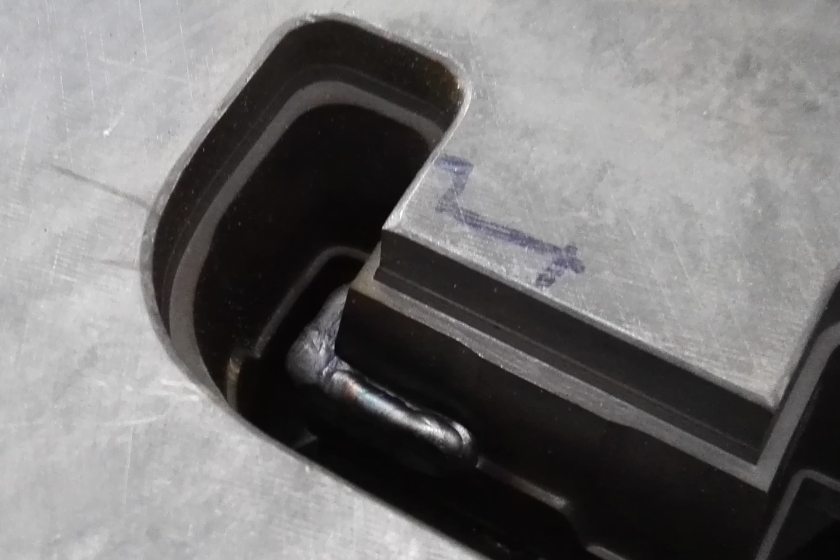
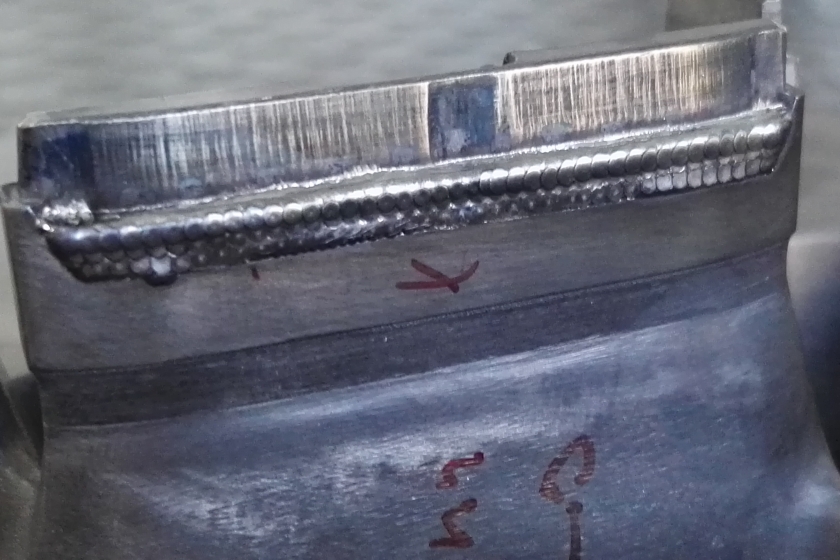
Durant el procés, tant la densitat energètica com les temperatures, són molt més elevades, ja que l'estat plasmàtic s'aconsegueix quan un gas és escalfat a una temperatura suficient per aconseguir la seva ionització, separant així l'element en ions i electrons.
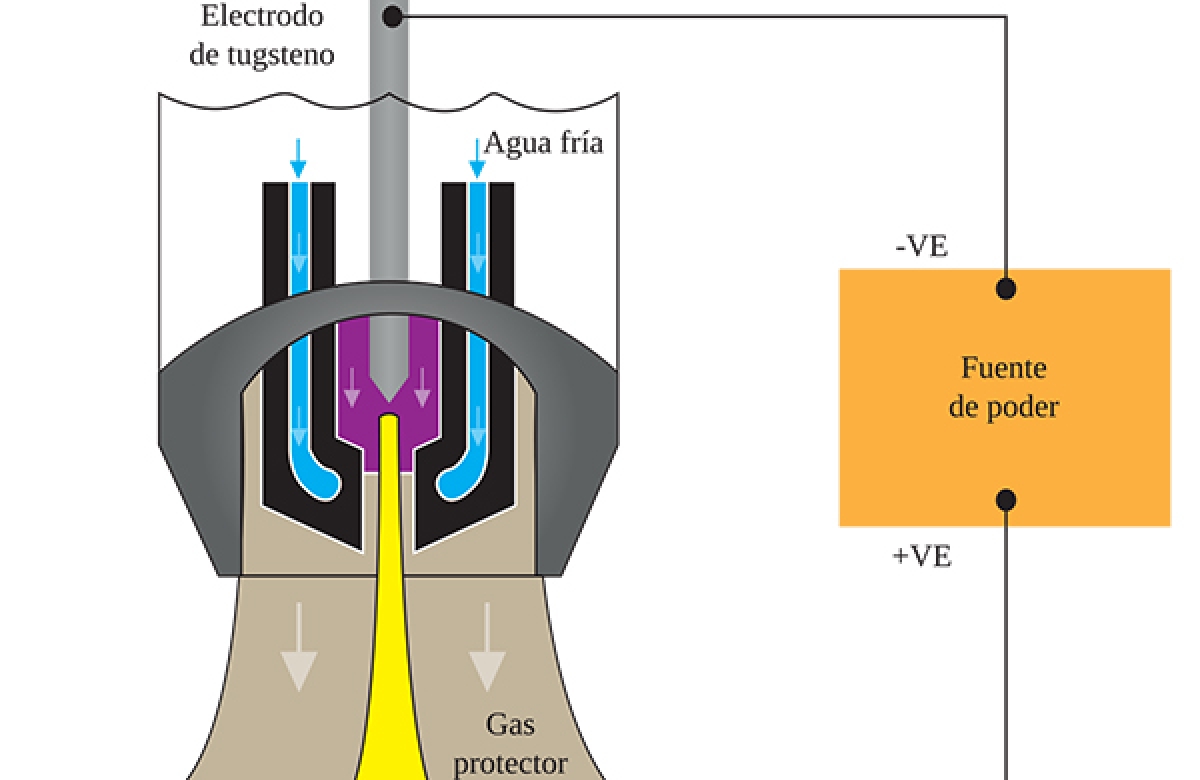
En la soldadura per plasma, l'energia necessària per aconseguir l'ionització, la proporciona l'arc elèctric que s'estableix entre un elèctrode de tungstè i el metall basi a soldar. Es poden produir llavors tres maneres de funcionament, variant el diàmetre del forat i el cabal de gas de plasma.
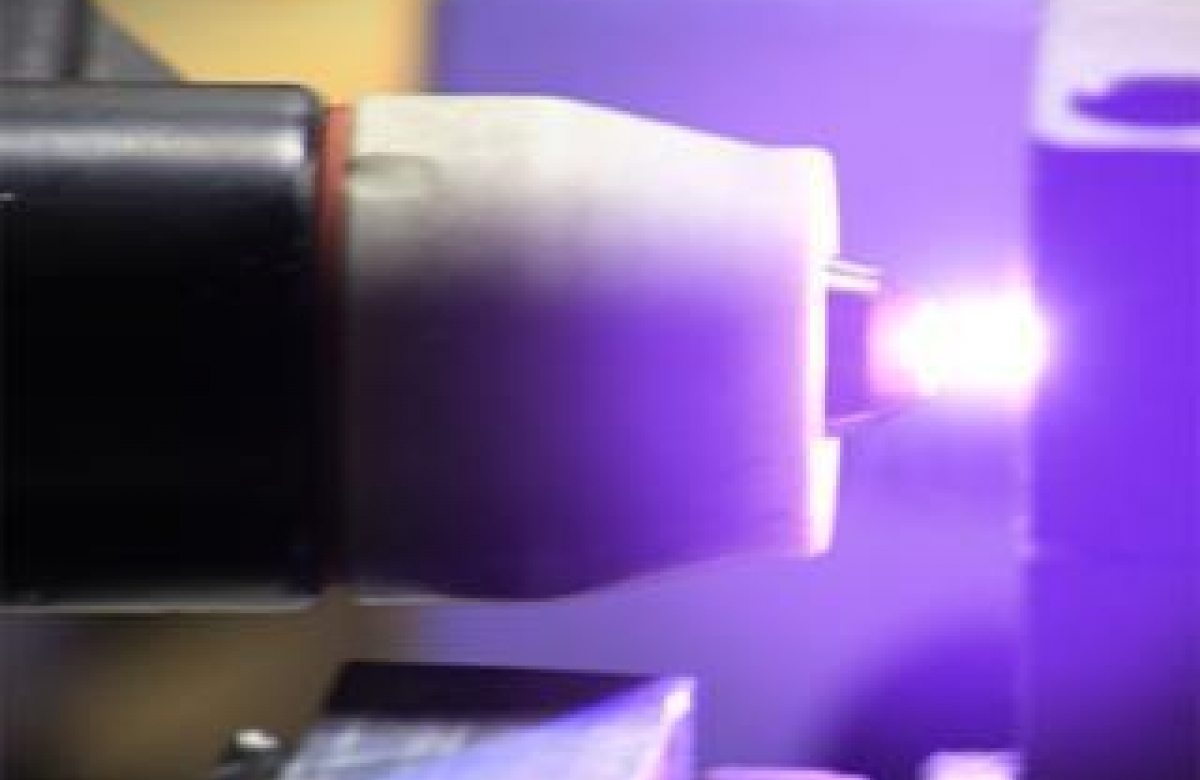
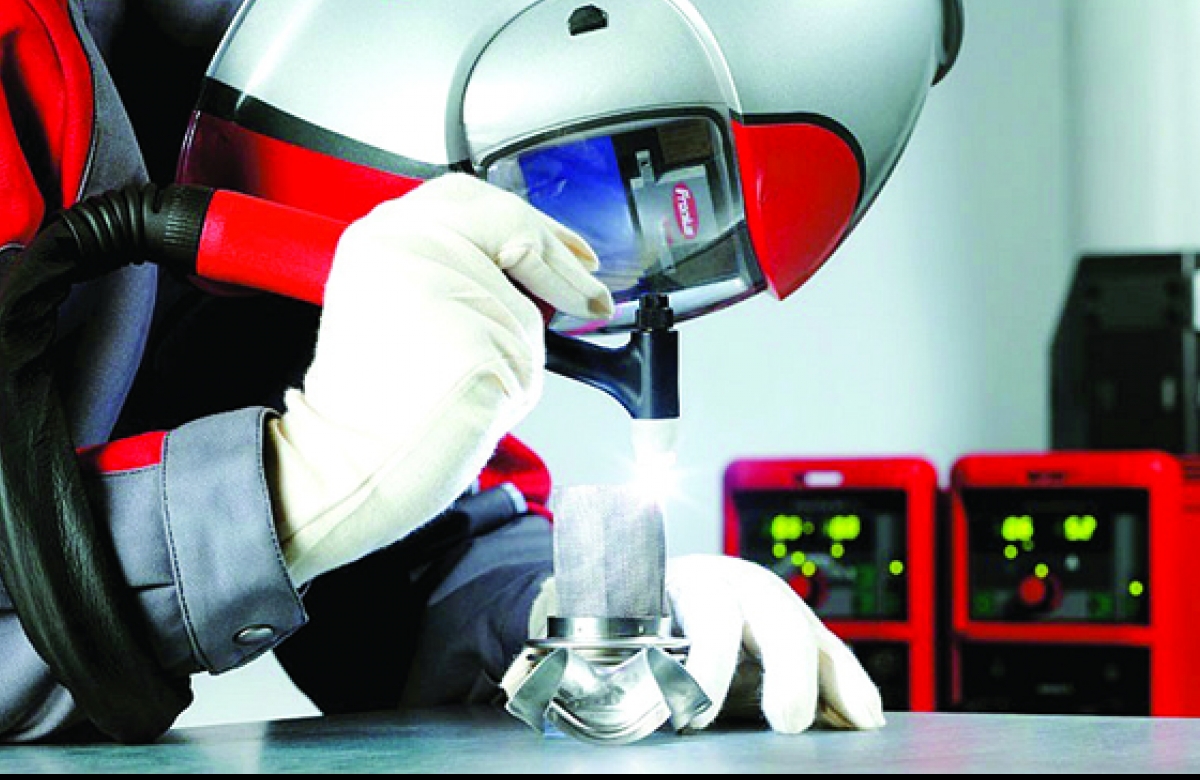
Microplasma: 0.1A – 15A l'arc
de microplasma pot ser operat amb corrents de soldadura molt baixes. L'arc columnar és estable, fins i tot quan la longitud de l'arc varia fins a 20 mm. El microplasma s'utilitzava tradicionalment per soldar làmines primes (fins a 0,1 mm d'espessor), i filferro i malles. L'arc rígid de tipus agulla minimitza el desviament de l'arc i la distorsió. Encara que l'arc TIG equivalent és més difús, les noves fonts d'energia transistorizadas (TIG) poden produir un arc molt estable a nivells de corrent baixos.
Corrent mitjà: 15A – 200A
A corrents més alts, de 15 a 200 A, les característiques del procés de l'arc de plasma són similars a l'arc TIG, però a causa que el plasma està constreñido, l'arc és més rígid. Encara que el cabal de gas de plasma pot augmentar-se per millorar la penetració del toll de soldadura, existeix un risc d'arrossegament d'aire i de gas de protecció a través d'una turbulència excessiva en la pantalla de gas. Quan s'utilitza en la manera de fusió, aquesta és una alternativa al TIG convencional. Els avantatges són una penetració més profunda (de major flux de gas de plasma) i una major tolerància a la contaminació de la superfície, incloent recobriments (l'elèctrode està dins del cos de la torxa). El principal desavantatge radica en el volum de la torxa, fent més difícil la soldadura manual. En la soldadura mecanitzada, s'ha de prestar major atenció al manteniment de la torxa per garantir un rendiment uniforme.
Key Hole: més de 100A
Al augmentar el corrent de soldadura i el flux de gas de plasma, es crea un feix de plasma molt potent que pot aconseguir una penetració completa en un material, com en soldadura amb làser o feix d'electrons. Durant la soldadura, el forat talla progressivament el metall, amb el toll de soldadura fos, que flueix cap a enrere per formar el cordó de soldadura sota forces de tensió superficial. Aquest procés es pot utilitzar per soldar material més gruixut (fins a 10 mm d'acer inoxidable) en una sola passada. Té diversos avantatges que poden ser explotades: penetració profunda i altes velocitats de soldadura.