
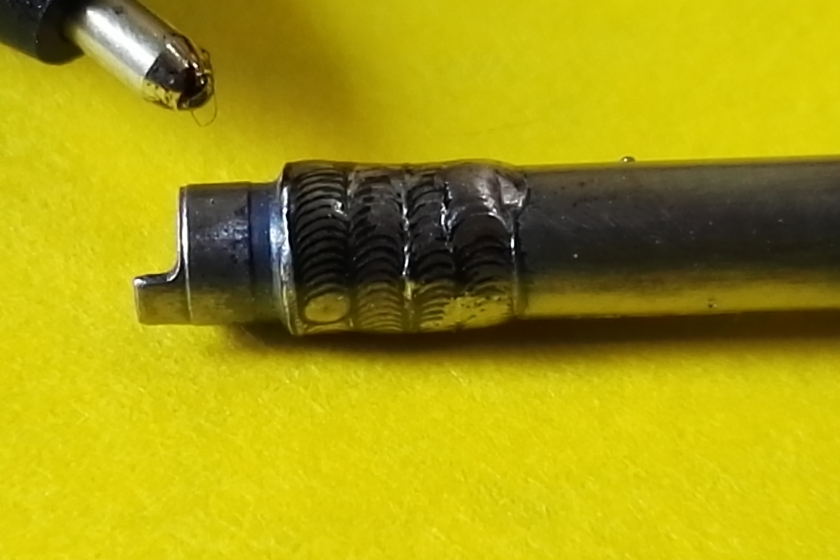
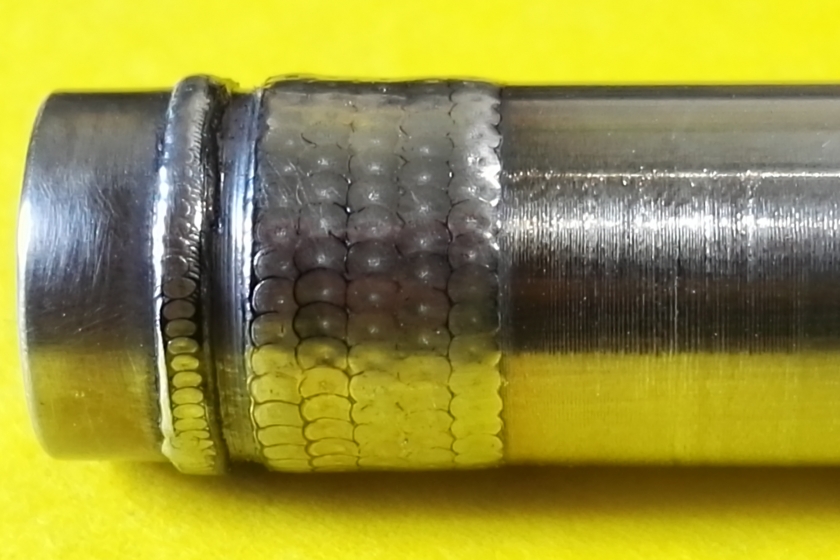
Welding by laser deposition, the area of the broken or damaged part is filled using a filler rod. The wire is guided over the component so that the laser causes the simultaneous and concurrent fusion of the wire and the surface of the base material, on the order of one millisecond. Depending on the diameter of the rod used, the total height of the junction is obtained with the repeated addition of layers of wire. The final geometric contour is then obtained by machining techniques - cutting - or EDM.
So far, welding by deposition has been performed traditionally and mainly with these techniques: TIG or micro-plasma. Another method, ligation (diffusion welding) with resistance using powder, is suitable for mold repairs in applications where low cohesion is required.
The advantages of welding by laser deposition in regard to the material, over the conventional methods of electric arc and micro plasma, stem from a higher heating and cooling, and lower volumes of molten pool. The area thermally affected in the piece is much smaller, and the risks of distortion, weakening and cracking are greatly reduced. In addition, better properties can be achieved in the layers of the cord by means of fine-grained structures or by using a supply rod of different alloys.
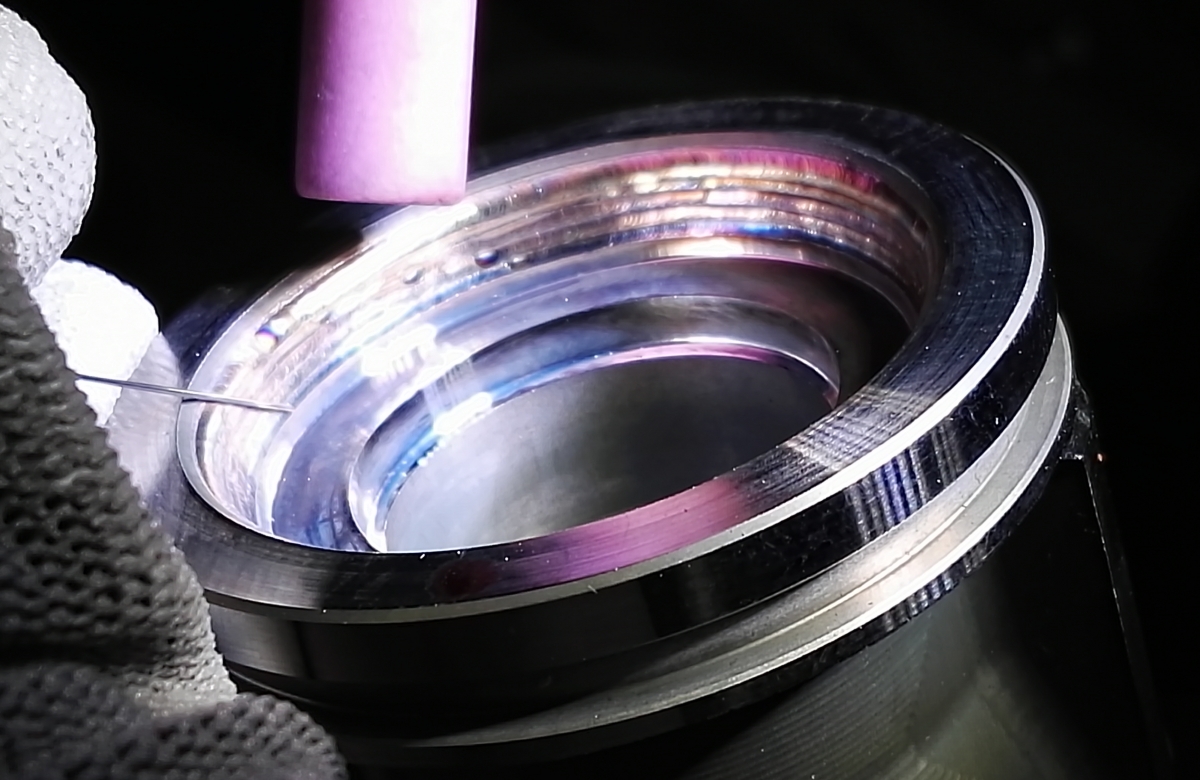
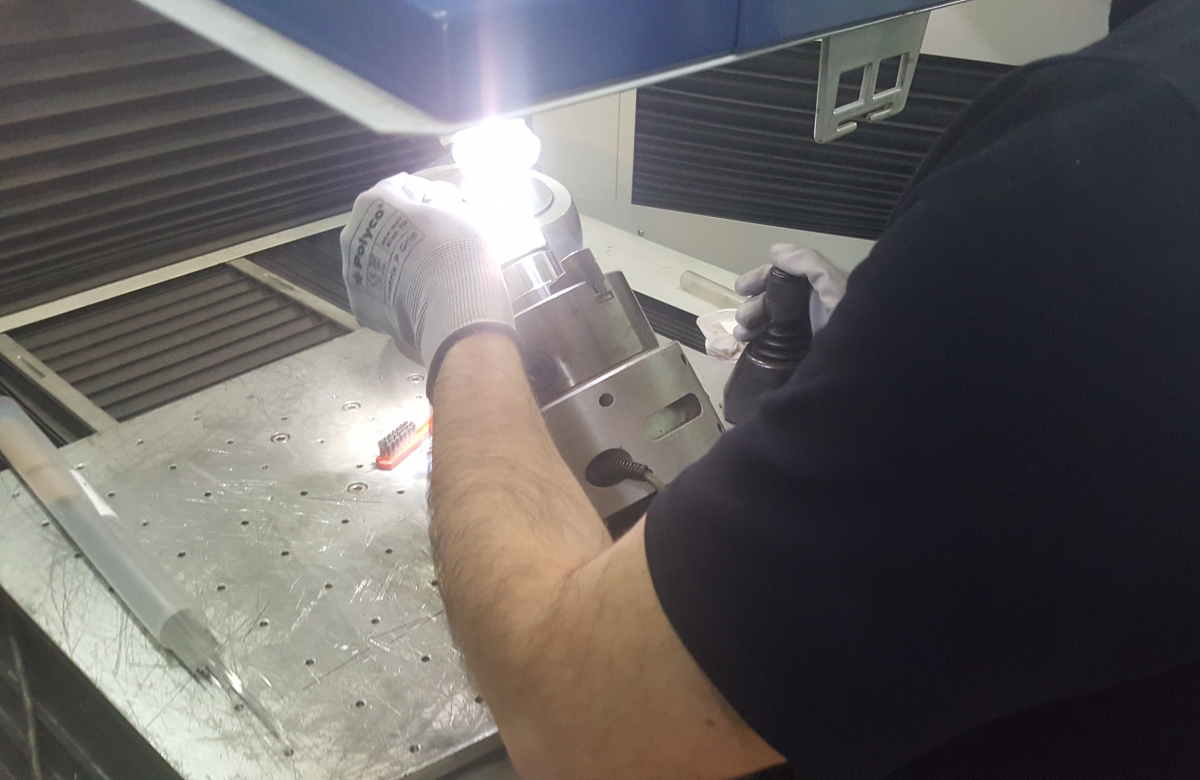
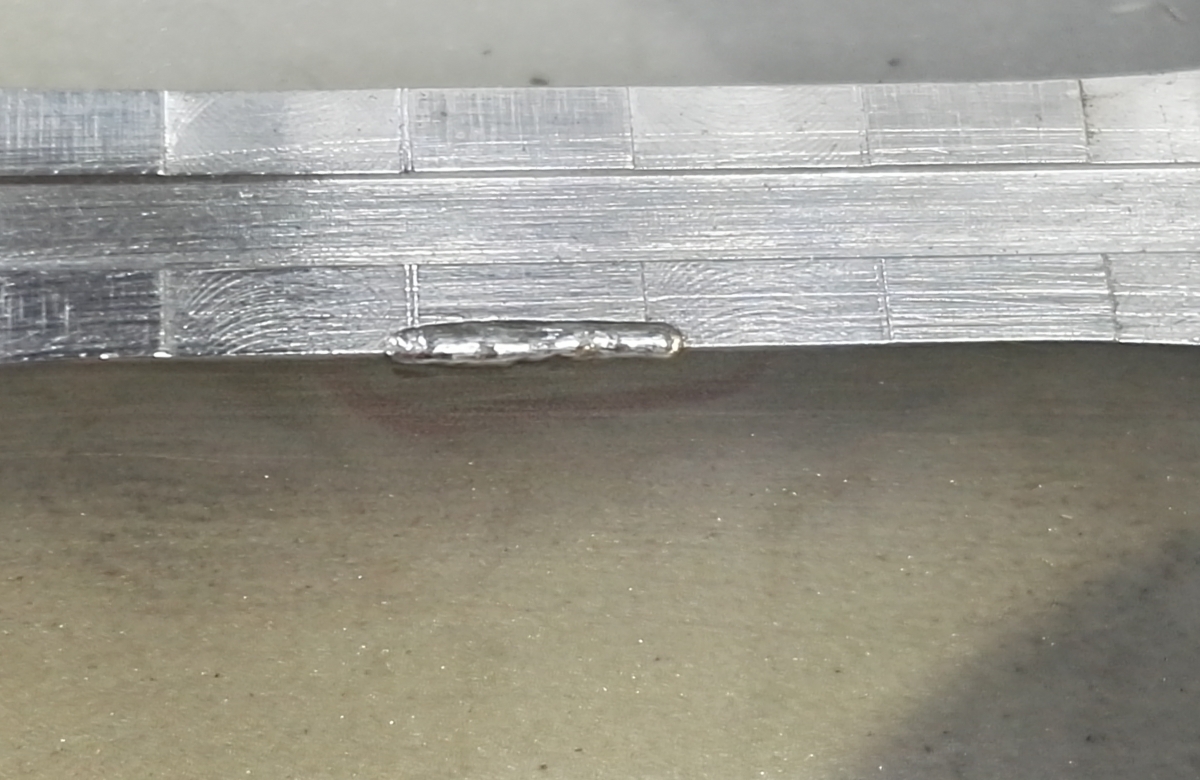
From a production viewpoint, noticeably finer structures can be obtained with laser-assisted techniques, since rods up to 100 microns in diameter can be worked. The laser can be focused very well, allowing the piece and the wire to receive thermal input in a very precise and localized area. Thus, the incident energy and consequent heating of the piece can be kept very low. This gives us a minimum distortion and a much reduced thermally affected area. Which means that with a very precise operation assisted by a microscope, implies much less fine-tuning work (erosion, grinding) than with other types of welding. Likewise, we can achieve high degrees of hardness depending on the base material: up to 60 degrees Rockwell HRC.
